
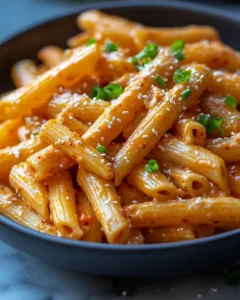
There are certain recipes that seem to appear everywhere all at once—on social media feeds, at dinner parties, and in casual conversations between friends who love food. Creamy Gochujang Pasta is one of those dishes. It feels perfectly suited for a cozy evening when you want something comforting but still exciting, or for a weekend meal when you’re craving bold flavors without spending hours in the kitchen.
This recipe was inspired by the growing love for fusion cooking, where familiar comfort foods meet global flavors. Gochujang, a deeply savory and gently spicy Korean chili paste, pairs surprisingly well with creamy sauces and pasta. The result is a dish that feels indulgent yet balanced, fiery yet soothing. It’s the kind of meal that makes you pause after the first bite, then immediately go back for another forkful, wondering why you didn’t try it sooner.
Why This Creamy Gochujang Pasta Is So Popular
Creamy Gochujang Pasta has captured attention because it sits at the intersection of comfort and adventure. Pasta is universally loved, and creamy sauces are synonymous with indulgence. Gochujang brings something new to the table—umami depth, mild heat, and a subtle sweetness that elevates the entire dish.
What truly makes this recipe stand out is its versatility. It can be prepared for a quick weeknight dinner or dressed up for a special occasion. The flavors feel restaurant-worthy, yet the ingredients are accessible and easy to work with. Even people who are new to Korean flavors often find gochujang approachable when blended into a creamy sauce.
Another reason for its popularity is how customizable it is. You can adjust the spice level, swap in different vegetables, or add protein options that fit your preferences. This flexibility makes it a repeat favorite in many kitchens.
Understanding Gochujang and Its Role in the Recipe
Gochujang is a fermented Korean chili paste made from red chili powder, rice, fermented soybeans, and salt. Its flavor profile is complex—spicy, savory, slightly sweet, and deeply umami. When mixed with cream, its intensity softens while its richness shines through.
In this pasta recipe, gochujang acts as the flavor anchor. It replaces the need for heavy seasoning or complicated spice blends. Just a few tablespoons are enough to transform a simple cream sauce into something layered and memorable. The cream balances the heat, while garlic and onions enhance the savory notes.
If you’re worried about spice, don’t be. Gochujang’s heat is usually more gentle than fiery. You can always start with less and add more to taste.
Ingredients You’ll Need
Using measured ingredients ensures consistency and helps you achieve that perfect balance of creaminess and spice.
-
Pasta (penne, rigatoni, or fettuccine): 12 ounces (340 g)
-
Olive oil: 2 tablespoons
-
Onion, finely chopped: 1 medium (about 150 g)
-
Garlic, minced: 4 cloves (about 12 g)
-
Gochujang: 2 to 3 tablespoons (30–45 g), adjust to taste
-
Heavy cream: 1 cup (240 ml)
-
Milk: ½ cup (120 ml)
-
Soy sauce: 1 tablespoon (15 ml)
-
Unsalted butter: 2 tablespoons (28 g)
-
Grated Parmesan-style cheese: ½ cup (50 g)
-
Red pepper flakes (optional): ½ teaspoon
-
Salt: ½ teaspoon, or to taste
-
Black pepper: ¼ teaspoon
-
Fresh green onions, sliced: 2 tablespoons for garnish
-
Toasted sesame seeds: 1 teaspoon for garnish
Step-by-Step Instructions
Step 1: Cook the Pasta to Al Dente Perfection
Begin by filling a large pot with water and adding a generous amount of salt. The water should taste pleasantly salty, as this is your main opportunity to season the pasta itself. Bring the water to a rolling boil before adding the pasta. Stir immediately to prevent sticking, then cook according to the package instructions until al dente—tender but with a slight bite in the center.
Before draining, carefully scoop out ½ cup (120 ml) of the pasta cooking water and set it aside. This starchy liquid is essential later for adjusting the sauce texture. Drain the pasta and leave it aside while you prepare the sauce, allowing it to steam off slightly without becoming dry.
Step 2: Build the Flavor Base with Onion and Olive Oil
Place a large skillet over medium heat and add 2 tablespoons of olive oil. Once the oil is warm and shimmering, add the finely chopped onion. Stir gently and cook for 3 to 4 minutes, allowing the onion to soften and turn translucent.
This step lays the foundation of flavor for the entire dish. Take your time here—softened onions bring a subtle sweetness that balances the boldness of the gochujang later on. Avoid browning the onions; the goal is softness, not caramelization.
Step 3: Add Garlic for Depth and Aroma
Add the minced garlic directly to the softened onions. Cook for about 30 seconds, stirring constantly. Garlic burns quickly, so keep a close eye on it. As soon as it becomes fragrant, you’re ready to move on.
This brief cooking time releases the garlic’s aroma without overpowering the sauce, ensuring it complements rather than dominates the final flavor.
Step 4: Bloom the Gochujang and Butter
Now stir in 2 to 3 tablespoons (30–45 g) of gochujang along with 2 tablespoons (28 g) of unsalted butter. Cook this mixture for 1 to 2 minutes, stirring continuously.
This step is crucial. Heating the gochujang allows its flavors to “bloom,” deepening its savory, slightly sweet, and gently spicy notes. The butter smooths out the paste and helps it meld seamlessly into the sauce, creating a rich and cohesive base.
Step 5: Create the Creamy Sauce
Slowly pour in 1 cup (240 ml) of heavy cream and ½ cup (120 ml) of milk, stirring constantly to combine everything into a smooth sauce. Once combined, reduce the heat to medium-low.
Lowering the heat at this stage prevents the cream from separating and ensures a silky texture. The sauce will look thin at first, but it will thicken as it gently simmers.
Step 6: Season and Simmer
Add 1 tablespoon (15 ml) of soy sauce, ½ teaspoon salt, ¼ teaspoon black pepper, and ½ teaspoon red pepper flakes if you want extra heat. Stir well and let the sauce simmer gently for 4 to 5 minutes.
During this time, the flavors come together and the sauce thickens slightly. Stir occasionally to prevent sticking and to keep the texture smooth. Taste the sauce near the end of this step and make small adjustments if needed.
Step 7: Melt in the Cheese and Adjust the Texture
Stir in ½ cup (50 g) of grated Parmesan-style cheese, adding it gradually while stirring. The cheese will melt into the sauce, adding richness and a subtle savory note.
If the sauce feels too thick, add a small splash of the reserved pasta water, stirring until you reach your desired consistency. This step helps the sauce cling beautifully to the pasta.
Step 8: Combine Pasta and Sauce
Add the cooked pasta directly to the skillet. Toss gently but thoroughly, ensuring every piece is coated in the creamy gochujang sauce. Cook together for 1 to 2 minutes over low heat so the pasta absorbs the flavors.
This final cooking stage transforms the pasta and sauce into a unified dish rather than separate components.
Step 9: Final Taste and Garnish
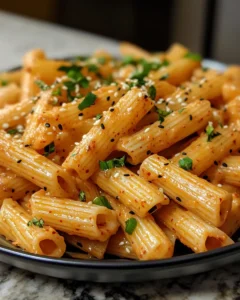
Taste once more and adjust seasoning if necessary. Remove from heat and garnish with 2 tablespoons sliced green onions and 1 teaspoon toasted sesame seeds. Serve immediately while hot and creamy for the best flavor and texture.
Tips for the Creamiest Sauce
The key to achieving a luxurious texture lies in gentle heat and proper emulsification. Avoid boiling the sauce once the cream is added, as high heat can cause it to separate. Stir frequently and let the sauce thicken gradually.
Using pasta water is another essential trick. The starch in the water helps bind the sauce to the pasta, creating a silky finish. Add it little by little until you reach your desired consistency.
Finally, choose a pasta shape that holds sauce well. Ridged or tubular pasta works especially well with creamy sauces like this one.
Flavor Variations and Customizations
This recipe is a fantastic base for experimentation. You can add sautéed mushrooms (about 200 g) for an earthy note or toss in roasted vegetables like bell peppers and zucchini. For extra richness, swirl in an additional tablespoon of butter at the end.
If you enjoy tangy flavors, a teaspoon of rice vinegar or lemon juice can brighten the sauce. For a milder version, reduce the gochujang to 1½ tablespoons and add more cream.
Fresh herbs aren’t traditional here, but a small amount of chopped parsley or basil can add freshness if you enjoy that contrast.
Frequently Asked Questions
1. Is gochujang very spicy in this pasta?
Gochujang has a gentle to moderate heat level, but it’s not overwhelmingly spicy. In this recipe, the cream and cheese mellow the heat significantly. If you’re sensitive to spice, start with 1½ tablespoons (about 22 g) and taste before adding more. You’ll still get the savory depth without too much heat.
2. Can I make this recipe ahead of time?
Yes, you can prepare the sauce ahead of time and store it in an airtight container in the refrigerator for up to 2 days. When reheating, do so gently over low heat and add a splash of milk or water to restore the creamy texture. It’s best to cook the pasta fresh and combine it with the reheated sauce just before serving.
3. What type of pasta works best for creamy gochujang pasta?
Pasta shapes that trap sauce work particularly well. Penne, rigatoni, and fusilli are excellent choices because their ridges and hollow centers hold onto the creamy sauce. Long noodles like fettuccine also work beautifully if you prefer a more elegant presentation.
4. Can I adjust the flavor if it tastes too strong?
Absolutely. If the sauce tastes too intense, add more cream or milk in small increments to soften the flavors. A pinch of sugar (about ¼ teaspoon) can also help balance the spice and saltiness. Always adjust gradually and taste as you go to maintain harmony in the dish.
Serving Suggestions
Creamy Gochujang Pasta is satisfying on its own, but it pairs well with simple sides. A crisp green salad with a light dressing provides contrast to the richness of the sauce. Steamed or roasted vegetables also complement the pasta without overpowering it.
For presentation, serve the pasta in shallow bowls and finish with extra green onions and sesame seeds. A sprinkle of freshly ground black pepper adds a final touch that enhances the aroma.
Final Thoughts
Creamy Gochujang Pasta is more than just a trend—it’s a recipe that earns its popularity with every bite. It brings together the comfort of a creamy pasta dish and the bold, complex flavors of Korean-inspired cooking in a way that feels natural and satisfying. The sauce is rich without being heavy, spicy without being overwhelming, and deeply savory in a way that keeps you coming back for more.
What makes this dish especially appealing is its accessibility. You don’t need advanced cooking skills or hard-to-find ingredients to achieve impressive results. With a handful of pantry staples and a single skillet, you can create a meal that feels exciting and indulgent. It’s perfect for those nights when you want to treat yourself or impress guests without stress.
As you make this recipe your own—adjusting spice levels, adding vegetables, or experimenting with different pasta shapes—you’ll discover just how adaptable it is. It’s a reminder that great food doesn’t have to be complicated. Sometimes, it’s simply about combining familiar elements in new ways. Once you try this creamy gochujang pasta, it’s likely to earn a permanent place in your recipe rotation.
Print
Creamy Gochujang Pasta Everyone Is Talking About
- Total Time: 35 minutes
- Yield: 4 servings
Description
A rich and comforting pasta dish that blends creamy sauce with the bold, savory depth of gochujang for an unforgettable fusion meal.
Ingredients
-
Pasta (penne, rigatoni, or fettuccine): 12 ounces (340 g)
-
Olive oil: 2 tablespoons
-
Onion, finely chopped: 1 medium (150 g)
-
Garlic, minced: 4 cloves (12 g)
-
Gochujang: 2 to 3 tablespoons (30–45 g)
-
Heavy cream: 1 cup (240 ml)
-
Milk: ½ cup (120 ml)
-
Soy sauce: 1 tablespoon (15 ml)
-
Unsalted butter: 2 tablespoons (28 g)
-
Grated Parmesan-style cheese: ½ cup (50 g)
-
Red pepper flakes (optional): ½ teaspoon
-
Salt: ½ teaspoon
-
Black pepper: ¼ teaspoon
-
Green onions, sliced: 2 tablespoons
-
Toasted sesame seeds: 1 teaspoon
Instructions
-
Cook pasta in salted boiling water until al dente. Reserve ½ cup (120 ml) pasta water, then drain.
-
Heat olive oil in a skillet over medium heat. Sauté onion for 3–4 minutes until soft.
-
Add garlic and cook for 30 seconds.
-
Stir in gochujang and butter, cooking for 1–2 minutes.
-
Add cream and milk, stirring to combine.
-
Season with soy sauce, salt, pepper, and red pepper flakes. Simmer gently for 4–5 minutes.
-
Stir in cheese until melted. Thin with pasta water if needed.
-
Add pasta and toss to coat evenly.
-
Garnish with green onions and sesame seeds before serving.
Notes
Adjust the amount of gochujang to control the spice level. For a looser sauce, add extra milk or reserved pasta water while tossing the pasta. This dish is best enjoyed fresh but can be gently reheated with added liquid if needed.
- Prep Time: 15 minutes
- Cook Time: 20 minutes