
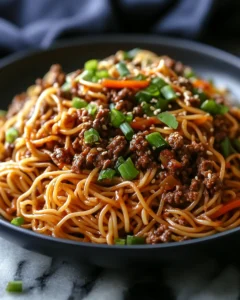
There are certain dishes that bring instant comfort the moment they hit the table, and Mongolian Ground Beef Noodles is one of those unforgettable meals. It’s the kind of recipe you turn to on busy weeknights when you need something fast, flavorful, and satisfying without complicating your evening. The aroma alone—sweet, savory, warm, and deeply comforting—fills your kitchen with the promise of a hearty bowl that tastes like it simmered all day, even though it comes together quickly.
This dish draws inspiration from classic Mongolian beef, a favorite in many households for its glossy sauce and irresistible balance of sweetness and saltiness. By swapping sliced beef for ground beef and pairing it with tender noodles, the recipe becomes simpler, faster, and wonderfully addicting. Whether it’s a chilly night, a midweek family dinner, or a casual gathering with friends, this dish effortlessly becomes the centerpiece of a cozy, memorable meal.
Why You’ll Love This Mongolian Ground Beef Noodles Recipe
If you’ve ever wished your favorite takeout flavors could be made at home without complicated ingredients or long cooking times, this recipe delivers effortlessly. The sauce brings together soy, brown sugar, garlic, and ginger to create layers of flavor that cling beautifully to the noodles. Ground beef provides richness, while the addition of green onions and a hint of spice keeps the dish balanced and vibrant.
This recipe also offers the perfect opportunity to customize depending on your pantry or dietary needs. Prefer a little heat? Add crushed red pepper. Want more veggies? Toss in shredded carrots, snap peas, or cabbage. The simplicity of the base makes it incredibly adaptable while still maintaining its signature sweet-savory flavor.
Ingredients You’ll Need
Below is the complete list of ingredients—with measurements—that bring the dish together. Each one contributes to the velvety sauce, hearty texture, and irresistible flavor:
-
8 oz (225 g) lo mein noodles or spaghetti
-
1 lb (450 g) ground beef
-
1 tablespoon vegetable oil
-
1 teaspoon sesame oil
-
4 cloves garlic, minced
-
1 tablespoon fresh grated ginger
-
1/2 cup (100 g) brown sugar
-
1/2 cup (120 ml) low-sodium soy sauce
-
1/4 cup (60 ml) beef broth
-
1 tablespoon cornstarch
-
1/4 teaspoon black pepper
-
1/4 teaspoon crushed red pepper flakes (optional)
-
4 green onions, sliced
-
1 tablespoon toasted sesame seeds (optional for garnish)
These ingredients are easy to find and pantry-friendly, which is part of what makes this dish so convenient. You may already have most of them on hand.
How to Make Mongolian Ground Beef Noodles
1. Cook the Noodles
The first step in bringing this dish together is preparing the noodles, which serve as the comforting base for the rich, glossy sauce. Begin by selecting your preferred noodle variety; lo mein noodles create the most authentic texture thanks to their pleasant chewiness and ability to absorb sauce without becoming soggy. However, if you don’t have lo mein on hand, spaghetti or linguine make excellent substitutes and hold up well during tossing.
Fill a large pot with water and bring it to a boil. Add a generous pinch of salt to enhance the flavor of the noodles as they cook. Once the water is boiling, add the noodles and cook them according to the package directions, typically about 6–8 minutes for lo mein or 9–11 minutes for spaghetti. Stir the noodles occasionally to prevent them from clumping together.
When the noodles reach an al dente texture—tender but still slightly firm when bitten—drain them immediately. To stop the cooking process and maintain the perfect texture, you can briefly rinse them with warm water, though this step is optional. Lightly toss the noodles with a small amount of sesame oil. This not only prevents sticking but also adds a subtle nutty aroma that enhances the finished dish.
Set the noodles aside while you prepare the rest of the recipe. Having them ready ensures everything comes together smoothly once the sauce and beef are finished.
2. Brown the Beef
Next, it’s time to prepare the protein that gives the dish its hearty, savory backbone. Heat vegetable oil in a large skillet or wok over medium-high heat. The pan should be hot enough that the beef sizzles immediately when added. This initial sizzle is important because it helps develop browning, which deepens the overall flavor.
Add the ground beef to the pan, using a spatula or wooden spoon to break it into smaller pieces as it cooks. The goal is to achieve an even crumble rather than large chunks. Stir regularly to ensure every part of the beef cooks evenly and develops a little caramelization. This browning step is crucial because it creates savory notes that complement the sweet and salty components of the sauce.
If the beef releases a significant amount of fat, carefully drain the excess while keeping enough in the pan to maintain flavor and moisture. Once the beef is browned and no pink remains, you’re ready to build the aromatics.
3. Build the Flavor Base
With the beef perfectly browned, it’s time to create the aromatic foundation of the dish. Add the minced garlic and grated ginger directly into the skillet. These two ingredients are essential in achieving the familiar flavor profile associated with Mongolian-style dishes.
Cook the garlic and ginger with the beef for about 1 minute, stirring continuously. The moment their fragrance becomes noticeable is the moment they begin infusing the meat with flavor. Be careful not to let them burn, as burnt garlic can introduce bitterness. This quick sauté ensures the aromatics soften and meld with the savory base of the beef.
4. Make the Mongolian Sauce
While the beef absorbs the aromatics, prepare the sauce in a separate bowl. Whisk together the brown sugar, soy sauce, beef broth, cornstarch, black pepper, and optional red pepper flakes. The brown sugar gives the sauce its signature sweetness and glossy finish, while the soy sauce adds depth and richness.
Whisk until the cornstarch dissolves completely, ensuring the sauce thickens smoothly without lumps. Once combined, pour the sauce mixture directly over the beef in the skillet. The moment the sauce hits the pan, it will begin to bubble gently, signaling that it is starting to thicken.
5. Combine and Thicken
Allow the beef and sauce mixture to simmer uncovered for several minutes. During this time, the cornstarch activates, transforming the liquid into a glossy, velvety sauce that clings beautifully to every bite. Stir frequently to prevent the sauce from sticking to the bottom of the skillet and to ensure even thickening.
As the sauce reduces, you’ll notice it becoming richer and more aromatic. This simmering step is what brings all the flavors together—sweet, savory, and slightly spicy. Once the sauce reaches the desired consistency, slightly thick but still pourable, move on to the final step.
6. Add Noodles and Finish
With the sauce thickened and full of flavor, add the cooked noodles directly into the skillet. Use tongs or a large spoon to toss them thoroughly, ensuring every strand becomes evenly coated. The heat from the pan helps the noodles absorb the sauce, making each bite flavorful.
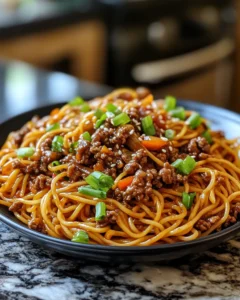
Fold in the sliced green onions for a fresh, vibrant finish. If you enjoy a bit of texture, sprinkle toasted sesame seeds over the top before serving. Dish it up immediately while it’s hot, glossy, and irresistibly fragrant.
Expert Tips for Perfect Mongolian Ground Beef Noodles
Use Fresh Ginger
Fresh ginger gives the sauce its signature warmth and brightness. Powdered ginger can work in a pinch, but fresh delivers a deeper, more aromatic flavor.
Don’t Overcook the Noodles
Perfectly tender noodles are key to this dish. Overcooked noodles can turn mushy once added to the sauce. Aim for al dente—a little firm when bitten.
Adjust Sweetness and Saltiness
Everyone’s palate is different. If you prefer less sweetness, reduce the brown sugar slightly. For more savory depth, add a splash of extra soy sauce.
Boost with Vegetables
Stir-frying thinly sliced carrots, bell peppers, or broccoli with the beef is a great way to add color, nutrition, and texture.
Frequently Asked Questions (FAQ)
1. Can I use a different type of meat instead of ground beef?
Absolutely. Ground turkey or ground chicken are excellent alternatives and absorb flavor beautifully. If using a leaner meat, consider adding a small amount of extra oil during cooking to prevent dryness. Ground beef, however, brings richness that complements the sweet-salty sauce perfectly.
2. What type of noodles work best for Mongolian Ground Beef Noodles?
Lo mein noodles are ideal for their chewy texture and ability to absorb sauce. However, spaghetti, linguine, or even rice noodles can work well depending on availability. If using rice noodles, monitor cooking time closely as they soften quickly. The key is choosing a noodle that can handle a thicker sauce without falling apart.
3. Can I make this recipe ahead of time?
Yes, but with a few considerations. The flavors deepen as the dish sits, making leftovers delicious. However, noodles can absorb the sauce and become softer over time. For the best texture, store the sauce and beef mixture separately from the noodles. Combine and heat just before serving to restore the dish’s original consistency.
4. How can I make this dish spicier or milder?
To increase heat, add more crushed red pepper flakes or stir in a small amount of chili paste. To keep the dish mild, omit red pepper flakes completely. The sweetness of the sauce naturally balances any spice, so adjustments are easy and forgiving. This flexibility makes the recipe suitable for both spice lovers and those who prefer a gentler flavor profile.
Final Thoughts
Mongolian Ground Beef Noodles is a standout recipe that transforms familiar ingredients into something extraordinary. It strikes the perfect balance between comfort food and bold flavor, making it a dependable choice for weeknights or cozy weekend dinners. The sweet, savory sauce clings beautifully to tender noodles, while the aromatics and green onions add irresistible fragrance and freshness. Even better, the dish comes together in a single pan, making cleanup effortless.
The beauty of this recipe lies in its adaptability. It can be seasoned to taste, enriched with vegetables, or reinvented with different proteins. Whether you’re cooking for your family, hosting friends, or simply craving a quick and satisfying meal, this recipe delivers every time. It’s the kind of dish that becomes part of your regular rotation—one that guests request again and again, and one you’ll rely on when you need something simple yet impressive.
Once you try it, you’ll understand why it earns the title “sweet, savory, addicting.” And chances are, it will become one of your most frequently made meals. Warm, flavorful, and deeply satisfying—this is a dish you’ll return to whenever you want a bowl of comfort with incredible flavor.
Print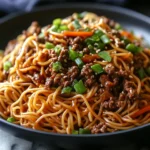
Sweet, Savory, Addicting: Mongolian Ground Beef Noodles
- Total Time: 25 minutes
- Yield: 4 servings 1x
Description
A quick, flavorful, comforting noodle dish inspired by classic Mongolian beef, made simpler with ground beef and pantry staples.
Ingredients
-
8 oz (225 g) lo mein noodles
-
1 lb (450 g) ground beef
-
1 tablespoon vegetable oil
-
1 teaspoon sesame oil
-
4 cloves garlic, minced
-
1 tablespoon fresh grated ginger
-
1/2 cup (100 g) brown sugar
-
1/2 cup (120 ml) low-sodium soy sauce
-
1/4 cup (60 ml) beef broth
-
1 tablespoon cornstarch
-
1/4 teaspoon black pepper
-
1/4 teaspoon crushed red pepper flakes (optional)
-
4 green onions, sliced
-
1 tablespoon sesame seeds (optional)
Instructions
-
Cook noodles according to package instructions, drain, and set aside.
-
Heat vegetable oil in a skillet, add ground beef, and cook until browned.
-
Stir in garlic and ginger and cook until fragrant.
-
In a bowl, whisk together brown sugar, soy sauce, broth, cornstarch, pepper, and red pepper flakes.
-
Pour sauce over the beef and simmer until thickened.
-
Add noodles and green onions, toss to coat, and heat through before serving.
Notes
-
Adjust brown sugar and soy sauce to taste for a more or less sweet profile.
-
Add vegetables such as carrots, broccoli, or snap peas for extra color and nutrition.
-
Substitute ground turkey or chicken if desired.
- Prep Time: 10 minutes
- Cook Time: 15 minutes