
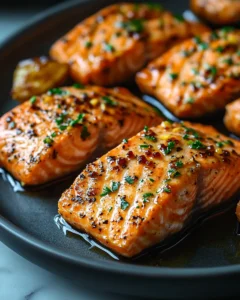
There’s something undeniably comforting about a perfectly cooked salmon fillet—crisp on the outside, tender and flaky on the inside, and finished with flavors that feel elevated yet familiar. This is the kind of dish that fits just as beautifully into a quiet weeknight dinner as it does into a special weekend meal shared with loved ones. When time is short but you still want something nourishing and impressive, salmon often becomes the hero ingredient.
This recipe was inspired by those moments when you order salmon at a favorite restaurant and wonder why it tastes so much better than what you make at home. The truth is, it usually comes down to a few simple techniques, quality ingredients, and confidence in letting the fish shine. This recipe strips away unnecessary steps and focuses on what truly matters, proving that restaurant-quality salmon is completely achievable in your own kitchen.
Why This Salmon Recipe Works So Well
What makes this recipe stand out is its simplicity. Instead of overwhelming the fish with heavy sauces or complicated marinades, this method enhances salmon’s natural richness with just the right balance of seasoning, fat, and heat.
Salmon is naturally flavorful and forgiving, making it ideal for home cooks of all skill levels. The key lies in proper temperature control and a short ingredient list that allows each component to do its job. By using a hot pan, a touch of butter, fresh garlic, and a squeeze of lemon, you create layers of flavor that taste refined without feeling fussy.
Another reason this recipe works so well is consistency. Whether you’re cooking for one or feeding a family, the steps remain the same, and the results are reliably excellent. Once you master this method, it becomes a go-to technique you can customize endlessly.
Ingredients You’ll Need
Using fresh, high-quality ingredients makes all the difference here. Each item has a purpose, and none are included without reason.
-
4 salmon fillets (about 6 ounces / 170 g each), skin on or off
-
1 tablespoon olive oil (15 ml)
-
1 tablespoon unsalted butter (14 g)
-
3 garlic cloves, minced
-
1 teaspoon sea salt (5 g)
-
½ teaspoon freshly ground black pepper (2 g)
-
1 teaspoon paprika (2 g)
-
1 tablespoon fresh lemon juice (15 ml)
-
1 tablespoon chopped fresh parsley (optional, 4 g)
These pantry staples work together to enhance the salmon rather than overpower it, creating a clean, balanced flavor profile.
Step-by-Step Instructions
1. Prepare the Salmon
Proper preparation is the foundation of restaurant-quality salmon, and this step should never be rushed. Start by removing the salmon fillets from the refrigerator about 10 minutes before cooking. Allowing the fish to come slightly closer to room temperature helps it cook more evenly and prevents the exterior from overcooking while the inside remains underdone. During this time, examine each fillet and remove any pin bones if necessary using tweezers.
Next, pat the salmon thoroughly dry with paper towels. This step is essential and often overlooked. Excess moisture on the surface of the fish creates steam when it hits the hot pan, which prevents proper browning. A dry surface ensures a crisp, golden crust that elevates both texture and flavor. Once dry, season both sides evenly with sea salt, freshly ground black pepper, and paprika. Be generous but balanced—seasoning enhances the salmon’s natural richness without overpowering it. Set the seasoned fillets aside while you prepare the pan.
2. Heat the Pan
Choose a wide, heavy-bottomed skillet to ensure even heat distribution. Place it over medium-high heat and add the olive oil. Allow the oil to heat gradually until it begins to shimmer. This visual cue indicates the pan is hot enough to sear the salmon properly. Avoid overheating the oil to the point of smoking, as this can lead to bitterness and uneven cooking.
A properly heated pan is critical for preventing sticking and achieving that coveted golden crust. If the pan is too cool, the salmon will absorb oil and turn greasy. If it’s too hot, the exterior may burn before the interior cooks through. Taking a moment to heat the pan correctly ensures consistent, professional-level results.
3. Sear the Salmon
Carefully place the salmon fillets into the hot pan, presentation side down. This side will be the first thing seen on the plate, so starting here ensures the most attractive finish. As the salmon hits the pan, you should hear a gentle sizzle—this confirms the oil is at the right temperature.
Resist the urge to move the salmon. Let it cook undisturbed for 4 to 5 minutes, depending on thickness. This uninterrupted contact allows the proteins to caramelize naturally, forming a flavorful crust and releasing the fish from the pan without sticking. You’ll notice the color change creeping up the sides of the fillet, which is a good indicator that the salmon is cooking evenly.
4. Add Butter and Garlic
Once the salmon has developed a golden crust, carefully flip each fillet using a spatula. Lower the heat slightly to medium to prevent the butter from burning. Add the unsalted butter and minced garlic to the pan. As the butter melts, it combines with the garlic to create a rich, aromatic base that enhances the salmon without masking its flavor.
Using a spoon, gently baste the salmon with the melted butter for added moisture and depth. This technique distributes flavor evenly and helps keep the fish tender. Continue cooking for another 2 to 3 minutes, adjusting based on the thickness of the fillets. The salmon should be opaque around the edges while remaining slightly translucent in the center for optimal texture.
5. Finish with Lemon
Remove the pan from the heat and immediately drizzle fresh lemon juice over the salmon. The acidity brightens the dish and balances the richness of the butter, creating a clean, polished finish. Sprinkle with chopped fresh parsley if desired for a subtle herbal note and visual appeal.
Allow the salmon to rest in the pan for 1 to 2 minutes before serving. This brief resting period lets the juices redistribute throughout the fillet, ensuring every bite is moist and flavorful. Once rested, transfer the salmon to plates and serve immediately for the best texture and taste.
Tips for Restaurant-Quality Results
-
Don’t overcrowd the pan. Cook in batches if necessary.
-
Use a thermometer. Salmon is perfectly cooked at an internal temperature of 125–130°F (52–54°C).
-
Let it rest. Resting allows juices to redistribute for maximum tenderness.
-
Choose even-sized fillets. This ensures uniform cooking.
Serving Suggestions
This salmon pairs beautifully with a wide variety of sides. Serve it with roasted vegetables, steamed rice, mashed potatoes, or a fresh green salad. For a lighter option, consider quinoa or couscous with herbs and citrus. The neutral yet rich flavor of the salmon makes it adaptable to countless meals.
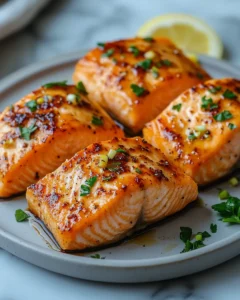
Frequently Asked Questions
1. How do I know when salmon is perfectly cooked?
Perfectly cooked salmon should flake easily with a fork while still appearing moist in the center. Overcooked salmon becomes dry and chalky, while undercooked salmon can feel overly soft and translucent. The most reliable way to check doneness is with an instant-read thermometer inserted into the thickest part of the fillet. A temperature between 125°F and 130°F (52–54°C) yields a tender, restaurant-style result. If you don’t have a thermometer, gently press the top of the salmon with a fork—if it flakes apart easily but still looks slightly glossy inside, it’s ready.
2. Can I use frozen salmon for this recipe?
Yes, frozen salmon works well as long as it’s properly thawed before cooking. Place the frozen fillets in the refrigerator overnight or seal them in a bag and submerge in cold water for quicker thawing. Once thawed, pat the salmon completely dry to remove excess moisture. This step is crucial, as excess water can prevent proper browning. Frozen salmon is often flash-frozen at peak freshness, making it a convenient and reliable option for this recipe.
3. Should I cook salmon with or without the skin?
Both options work beautifully in this recipe. Cooking salmon with the skin on helps protect the flesh from direct heat and can add extra flavor if crisped properly. If you prefer skinless salmon, simply ask your fishmonger to remove it or do so yourself before cooking. When cooking skin-on salmon, start with the skin side down and resist the urge to flip too early. This allows the skin to crisp while keeping the flesh moist.
4. How can I customize this recipe without complicating it?
This recipe is intentionally simple, but it’s also flexible. You can add herbs like thyme or dill, swap paprika for smoked paprika, or include a pinch of chili flakes for heat. A light glaze of honey (1 teaspoon / 7 g) brushed on during the final minute of cooking can add subtle sweetness without overpowering the dish. The key is to keep additions minimal so the salmon remains the star of the plate.
Final Thoughts
This easy salmon recipe proves that exceptional food doesn’t require complicated techniques or hard-to-find ingredients. With just a handful of pantry staples and a few thoughtful steps, you can create a dish that feels indulgent, nourishing, and deeply satisfying. It’s the kind of recipe that builds confidence in the kitchen, encouraging you to trust your instincts and enjoy the cooking process.
What truly sets this dish apart is its versatility. It adapts effortlessly to different seasons, side dishes, and occasions. Whether you’re cooking for yourself after a long day or preparing a meal for guests, this salmon delivers consistent results without stress. Over time, it becomes more than just a recipe—it becomes a reliable foundation you can build on.
Cooking at home should feel rewarding, not overwhelming. This salmon recipe brings that philosophy to life by offering a balance of ease and elegance. Once you try it, you may find yourself returning to it again and again, knowing that a restaurant-quality meal is always within reach, right in your own kitchen.
PrintThe Easiest Salmon Recipe That Tastes Restaurant-Good
- Total Time: 18 minutes
- Yield: 4 servings 1x
Description
A simple, foolproof salmon dish with crisp edges, tender flesh, and classic flavors that rival your favorite restaurant entrée.
Ingredients
-
4 salmon fillets (6 ounces / 170 g each)
-
1 tablespoon olive oil (15 ml)
-
1 tablespoon unsalted butter (14 g)
-
3 garlic cloves, minced
-
1 teaspoon sea salt (5 g)
-
½ teaspoon black pepper (2 g)
-
1 teaspoon paprika (2 g)
-
1 tablespoon fresh lemon juice (15 ml)
-
1 tablespoon chopped fresh parsley (optional, 4 g)
Instructions
-
Pat salmon fillets dry and season both sides with salt, pepper, and paprika.
-
Heat olive oil in a skillet over medium-high heat until shimmering.
-
Place salmon in the pan and cook for 4–5 minutes without moving.
-
Flip salmon, add butter and garlic, and spoon melted butter over the fish.
-
Cook for 2–3 minutes more, then remove from heat.
-
Drizzle with lemon juice and garnish with parsley before serving.
Notes
For best results, use salmon fillets of similar thickness. Avoid overcooking to maintain a moist, flaky texture. Let the salmon rest briefly before serving to allow juices to settle.
- Prep Time: 10 minutes
- Cook Time: 8 minutes