
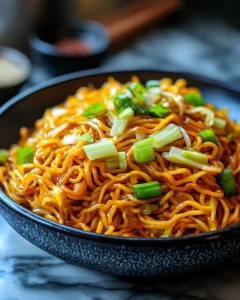
There’s something undeniably comforting about a warm box of chow mein enjoyed at just the right moment—maybe after a long workday, during a casual family dinner, or as part of a homemade takeout night when you want big flavor without leaving the house. Panda Express Chow Mein has become one of those iconic dishes people crave regularly, thanks to its savory noodles, crisp vegetables, and irresistible balance of umami flavors.
This recipe is inspired by those moments when you want the familiarity of your favorite restaurant dish but with the satisfaction of making it yourself. Many home cooks try to recreate this classic, but few get it just right. After careful testing and attention to detail, this version captures the essence of the beloved original while using simple, accessible ingredients. It’s a recipe that fits seamlessly into busy weeknights, weekend meal prep, or even special gatherings when you want to impress without stress.
Why This Chow Mein Recipe Is So Popular
Panda Express Chow Mein stands out because it’s deceptively simple. The ingredient list is short, yet every component plays an important role. The noodles are soft but not mushy, the vegetables add freshness and crunch, and the sauce brings everything together with savory depth.
This homemade version is popular because it gives you control. You can adjust the seasoning, cook the vegetables to your preferred texture, and serve it fresh—something even restaurant takeout can’t always guarantee. It’s also incredibly versatile, pairing well with a wide range of main dishes or standing proudly on its own as a satisfying meal.
Ingredients You’ll Need and Why They Matter
To recreate the authentic flavor, it’s important to understand each ingredient’s role rather than seeing the list as just another checklist.
-
Chow mein noodles (12 oz / 340 g): These wheat-based noodles are the heart of the dish. They cook quickly and absorb sauce beautifully.
-
Green cabbage (3 cups / about 210 g, thinly sliced): Adds subtle sweetness and signature texture.
-
Celery (1 cup / about 120 g, thinly sliced): Provides crunch and a mild, fresh flavor.
-
Yellow onion (1 medium / about 150 g, thinly sliced): Builds savory depth.
-
Garlic (2 teaspoons / about 6 g, minced): Enhances the overall aroma and flavor.
-
Soy sauce (1/4 cup / 60 ml): The primary seasoning, delivering saltiness and umami.
-
Oyster-style sauce (2 tablespoons / 30 ml): Adds richness and a slightly sweet-savory balance.
-
Sesame oil (1 teaspoon / 5 ml): Gives a subtle nutty finish.
-
Vegetable oil (2 tablespoons / 30 ml): Used for stir-frying to achieve proper texture.
-
Granulated sugar (1 teaspoon / 4 g): Balances the savory notes without making the dish sweet.
-
Black pepper (1/4 teaspoon / 0.5 g): Adds gentle warmth.
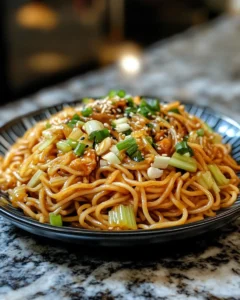
Tips for Achieving Restaurant-Style Results
-
High heat matters: A hot pan helps prevent soggy noodles.
-
Don’t overcook the vegetables: The slight crunch is key to authenticity.
-
Taste and adjust: Depending on your soy sauce, you may want a little more or less seasoning.
-
Prep ahead: Stir-frying moves quickly, so have all ingredients ready before heating the pan.
Frequently Asked Questions About Panda Express Chow Mein
1. What type of noodles work best for this recipe?
The best noodles for this recipe are traditional chow mein noodles made from wheat flour. These noodles are slightly thicker than instant ramen and hold up well during stir-frying. If you can’t find chow mein noodles, lo mein noodles are an acceptable substitute. Spaghetti can work in a pinch, but it won’t provide the same texture or flavor absorption. For best results, cook the noodles just until tender and rinse briefly with cold water to stop the cooking process before stir-frying.
2. Can I make this recipe ahead of time?
Yes, this chow mein recipe can be made ahead, but it’s best enjoyed fresh. If preparing in advance, cook the noodles and vegetables separately and store them in airtight containers in the refrigerator for up to two days. When ready to serve, reheat everything together in a hot pan with a splash of water or soy sauce to refresh the noodles. This method helps prevent the dish from becoming dry or overly soft.
3. How do I prevent my chow mein from turning soggy?
Soggy chow mein usually results from overcooked noodles or excess liquid. To avoid this, cook the noodles until just tender and drain them thoroughly. Make sure your pan is hot before adding ingredients, and avoid overcrowding the skillet. Stir-frying in batches if necessary allows moisture to evaporate quickly, giving you the signature restaurant-style texture.
4. Can I customize this recipe with additional vegetables?
Absolutely. While cabbage and celery are classic, this recipe is very adaptable. You can add sliced carrots (1 cup / about 120 g), bean sprouts (1 cup / about 100 g), or green onions (1/2 cup / about 50 g) for extra flavor and color. Just be mindful not to overload the pan, as too many vegetables can release excess moisture and affect the final texture.
Serving Suggestions and Pairings
This chow mein works beautifully as a side dish or a main course. Serve it alongside stir-fried vegetables, rice-based dishes, or simple protein-free entrees for a complete meal. It’s also a great addition to family-style dinners where everyone can help themselves.
Final Thoughts
Recreating the Panda Express Chow Mein recipe at home is about more than just copying a restaurant dish—it’s about capturing a familiar flavor that brings comfort and satisfaction. This recipe proves that you don’t need complicated techniques or hard-to-find ingredients to achieve a result that feels authentic and rewarding. By focusing on proper preparation, balanced seasoning, and mindful cooking, you can produce a chow mein that rivals what you’d get from your favorite takeout spot.
What makes this dish especially appealing is its flexibility. It fits into busy schedules, adapts to personal preferences, and scales easily for gatherings or meal prep. Whether you’re cooking for yourself, your family, or guests, this chow mein delivers consistent results and universal appeal.
Most importantly, making this recipe at home gives you a deeper appreciation for the simplicity behind great flavor. Each time you prepare it, you’ll gain confidence in your cooking skills and a renewed excitement for homemade meals. Once you try it, this chow mein is likely to become a regular part of your kitchen rotation—one that you’ll proudly share with others who are searching for that same beloved taste.
Print
The Panda Express Chow Mein Recipe Everyone Wants
- Total Time: 25 minutes
- Yield: 4 servings
Description
A savory noodle dish inspired by the famous takeout favorite, made fresh at home with crisp vegetables and a perfectly balanced sauce.
Ingredients
-
Chow mein noodles – 12 oz (340 g)
-
Green cabbage, thinly sliced – 3 cups (about 210 g)
-
Celery, thinly sliced – 1 cup (about 120 g)
-
Yellow onion, thinly sliced – 1 medium (about 150 g)
-
Garlic, minced – 2 teaspoons (about 6 g)
-
Soy sauce – 1/4 cup (60 ml)
-
Oyster-style sauce – 2 tablespoons (30 ml)
-
Sesame oil – 1 teaspoon (5 ml)
-
Vegetable oil – 2 tablespoons (30 ml)
-
Granulated sugar – 1 teaspoon (4 g)
-
Black pepper – 1/4 teaspoon (0.5 g)
Instructions
-
Cook the chow mein noodles according to package instructions. Drain well and set aside.
-
Heat the vegetable oil in a large wok or skillet over medium-high heat.
-
Add the sliced onion and cook for 1–2 minutes until slightly softened.
-
Stir in the minced garlic and cook for 30 seconds until fragrant.
-
Add the cabbage and celery, stir-frying for 2–3 minutes until crisp-tender.
-
Add the cooked noodles to the pan.
-
Pour in the soy sauce, oyster-style sauce, sugar, black pepper, and sesame oil.
-
Toss everything together and cook for 2–3 minutes until evenly coated and heated through.
-
Remove from heat and serve immediately.
Notes
- Prep Time: 15 minutes
- Cook Time: 10 minutes